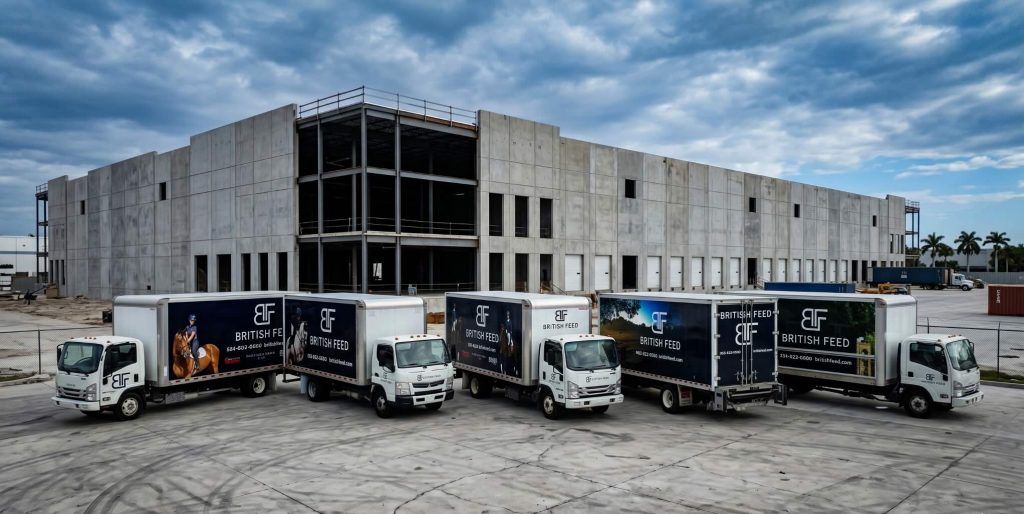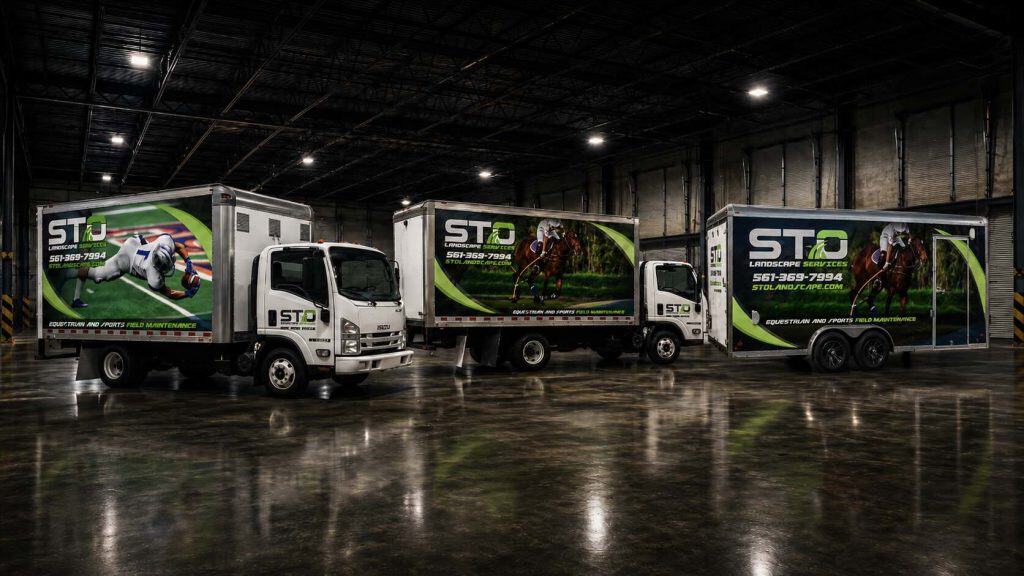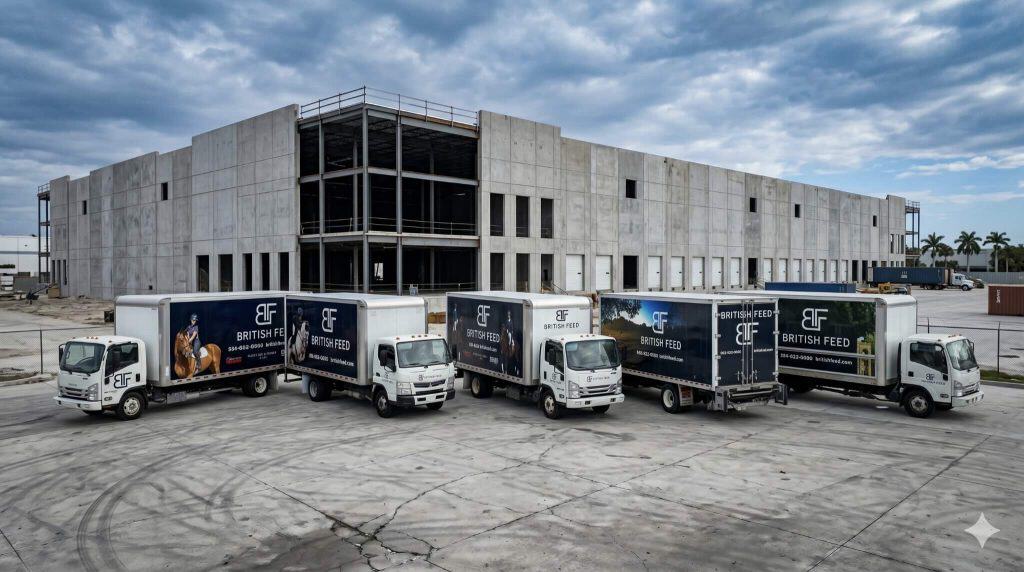
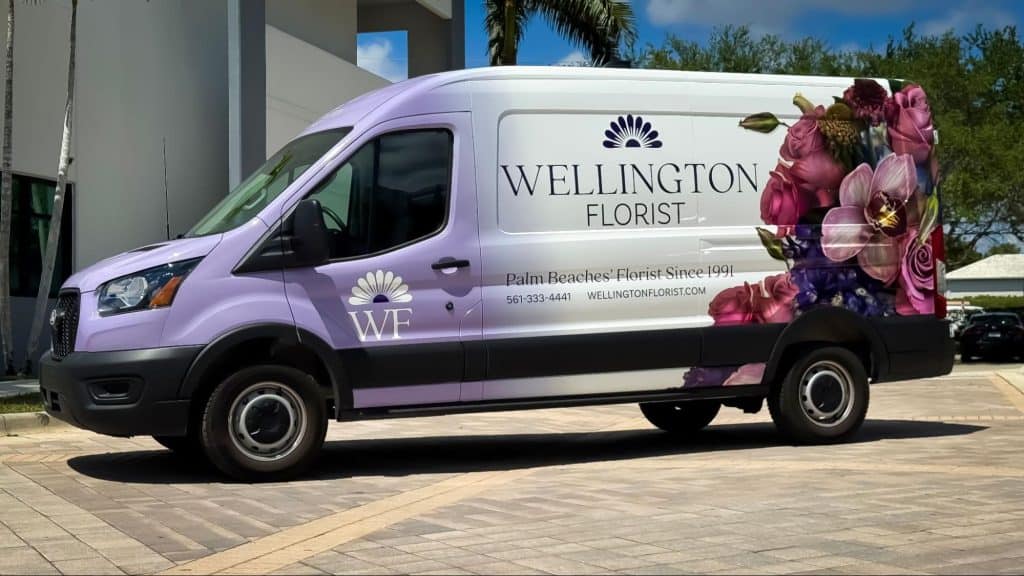
How to protect your fleet wraps in South Florida — washing, pressure-washing limits, what to avoid, and how to keep every vehicle on-brand from install day through year five.
In South Florida, that maintenance matters. Work trucks, vans, trailers, and fleet vehicles sit in the sun, collect road film, visit job sites, endure the elements, and are often washed by different employees or vendors.
This commercial vehicle wrap care guide is not just about keeping vinyl clean. It is about protecting how your company looks in traffic, at job sites, in customer driveways, and across every vehicle in the fleet.
Treat your fleet like a storefront.
A business would not invest in a physical location and then let the windows, floors, and signage go untouched. Your vehicles deserve the same standard. Here is a simple breakdown of proper vehicle wrap maintenance:
- Wash regularly — hand wash when possible, or use touchless washing when needed.
- Treat the wrap like a nice paint job — most spray waxes and hand waxes will help preserve the wrap the same way they preserve paint. Always check the product specifications before use.
- Be careful around wrap edges.
CRD Wraps uses 3M and Avery Dennison materials with cast laminate on all printed commercial wraps, but even strong materials need proper care. Vertical panels usually last longer. Horizontal surfaces such as hoods, roofs, and upper panels age faster because they receive more sun, hold more heat, and collect more dirt, water, and residue.
Why commercial fleet wraps need a care plan.
Almost every customer asks about wrap care when picking up a wrapped vehicle — including customers who brought in work trucks that looked like they had not seen soap and water in a long time. Once the wrap is installed, the vehicle suddenly represents a larger investment.
That instinct is right.
A wrapped fleet is not a weekend car. It is a moving brand system. It parks in neighborhoods. It sits outside businesses. It pulls into customer driveways. It gets judged before the driver ever speaks.
A clean, consistent fleet says the company pays attention. A neglected fleet says the opposite. For companies with multiple vehicles, care also protects consistency — one clean van and three faded, stained, or damaged trucks do not look like a professional fleet.
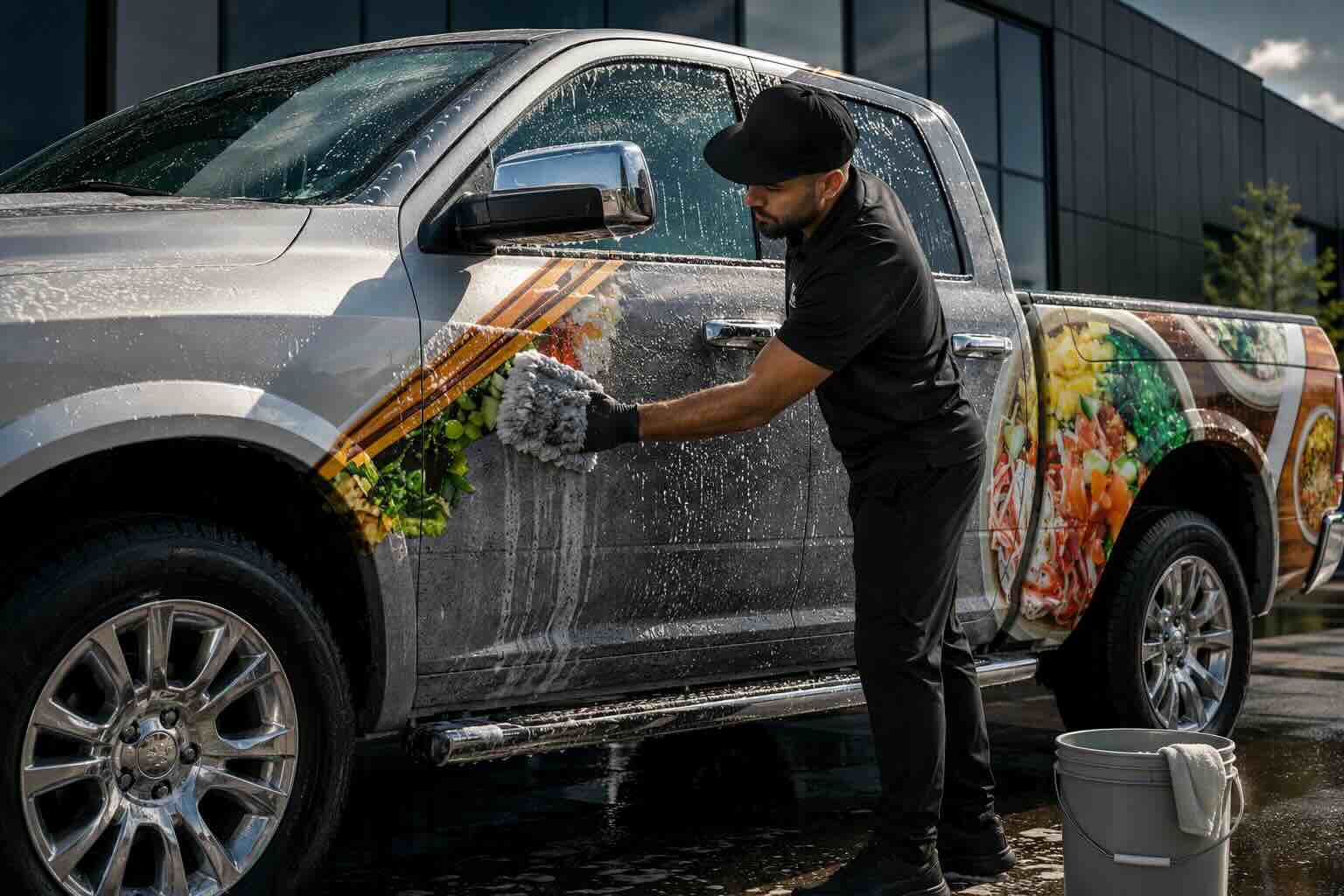
How to wash a commercial vehicle wrap.
Hand washing is the standard CRD Wraps recommends for commercial wraps. It gives you control around the entire wrap and graphics, and it is a great opportunity to make sure the wrap is in good condition and to promptly address any issues.
The Process
- Rinse the vehicle first to remove loose dirt and grit.
- Wash from the top down with mild automotive soap.
- Use a clean microfiber mitt, soft sponge, or soft cloth.
- Avoid aggressive scrubbing.
- Rinse thoroughly with clean water.
- Dry with microfiber when possible to reduce water spotting.
Avery Dennison recommends hand washing with mild soapy water, soft wash materials, a full rinse, and drying with microfiber or another soft non-abrasive towel. 3M also states that hand washing is best and recommends wiping fuel spills immediately, spot treating contaminants, and avoiding rough scrubbing or abrasive tools.
For regular fleet use, build washing into your operations. Cleaning vehicle graphics every two weeks — or whenever the vehicle appears dirty — is the recommended practice. In South Florida, a fleet that runs daily routes, parks outside, or works around landscaping, construction, irrigation, marine environments, or road grime may need more frequent maintenance.
Can wrapped fleet vehicles go through a car wash?
Yes, but choose carefully.
Touchless or brushless spray-only car washes are acceptable when hand washing is not practical. Brush car washes are not recommended because brushes can dull the finish, scratch the surface, catch an edge, or create a failure point. 3M and Avery Dennison both support touchless or brushless washing as the safer automated option.
For larger fleets, the best solution is often a professional car wash service that understands wrapped vehicles. The key is not just getting the vehicle clean — the primary objective is to achieve a thorough clean while safeguarding the integrity of the wrap.
Pressure washing wrapped work trucks — a conservative standard.
Pressure washing is where many commercial wraps get damaged. For CRD Wraps customers, use this conservative standard:
- Keep the nozzle perpendicular to the surface when possible.
- Never aim the stream upward into wrap edges.
- Avoid blasting seams, body lines, and panel transitions.
Aggressive pressure washing can force water underneath graphics, weaken adhesion, and cause lifting or curling. A pressure washer should never be used like a cutting tool — the closer and sharper the stream, the more risk it creates. Share this guide with employees and wash vendors before they clean the fleet. One careless wash can create a problem that spreads.
South Florida sun, heat, and horizontal surfaces.
South Florida does not change the fundamentals of wrap care, but it does make neglect show faster.
Vertical panels usually hold up better because they do not take the same direct punishment as hoods, roofs, and upper surfaces. Horizontal surfaces collect sun, heat, water, dirt, pollen, road film, and chemical residue. If those contaminants sit, the material has to fight UV exposure and grime at the same time.
That is why CRD Wraps gives our customers realistic expectations: commercial wraps can last 3–5 years with premium materials and proper care, but neglected horizontal surfaces can show failure much earlier. With consistent care, hoods and roofs have a better chance of staying presentable longer.
This is not a material problem alone. It is an exposure problem.
What not to use on commercial wraps.
Avoid:
- Abrasive pads
- Stiff brushes
- Brush-style automatic car washes
- Strong solvents
- Harsh degreasers
- Petroleum-heavy waxes not approved for wraps
- Rubbing compounds
- Scrapers or razor blades
- Aggressive pressure washing near edges
- Unknown chemicals
Because chemicals can damage a wrap or paint, we recommend testing cleaning products in an inconspicuous area, and advise that chemicals should be free from abrasive components. Cleaners should be non-abrasive — improper cleaning damage is not covered by the vinyl manufacturer's warranty.
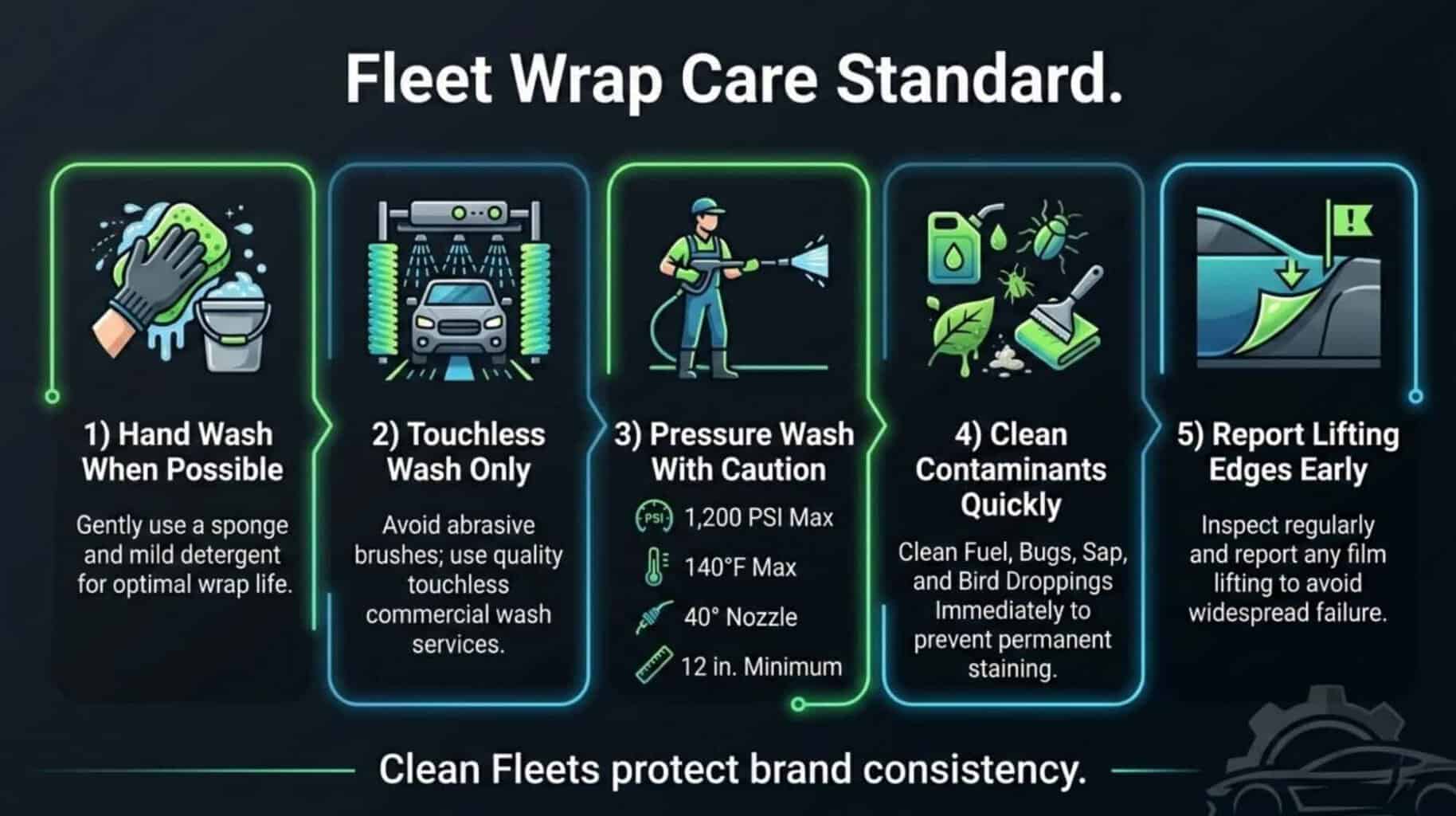
Driver and employee care rules for fleet vehicles.
Fleet care cannot depend on one careful owner. It has to be simple enough for every driver and employee to follow. Set a written care standard:
- Wash vehicles on a schedule.
- Report lifting edges early.
- Do not pick at wrap edges.
- Clean fuel spills quickly.
- Spot clean bird droppings, bugs, sap, and tar.
- Avoid parking under trees when possible.
- Do not use unknown cleaners.
- Assign responsibility for fleet appearance.
This matters for brand control. A fleet is one of the most visible assets a local business owns. The truck is not just transportation — it is advertising, proof of professionalism, and a first impression.
When to call CRD Wraps about wrap damage.
Call CRD Wraps when you see lifting edges, bubbling, peeling, pressure-washer damage, accident damage, fading on horizontal surfaces, or panels that no longer match the rest of the fleet.
Do not wait until a small edge becomes a full panel issue. After washing, check graphics for edge lifting. Clients should note that partial repairs or replacement sections may look different from the rest of the wrap because of aging, gloss change, fading, or material lot differences.
That is especially important for fleets. A single mismatched panel on one vehicle may not matter to some owners — across a fleet, it can break the consistency of the entire brand system.
Ceramic coating for extra wrap protection.
For clients who want another layer of protection, CRD Wraps offers ceramic coating specifically designed for vehicle wraps.
Ceramic coating does not replace washing. It does not make a fleet maintenance-free. What it can do is make the surface easier to clean, help with water spots, and add an extra level of protection for clients who want to go beyond basic care.
This is a smart option for companies that park outside, run daily routes, or want to keep newer fleet wraps looking sharper for longer.
Why wrap care protects brand consistency.
For a commercial fleet, wrap care is not just about vinyl. It is about how customers see your company across West Palm Beach, Royal Palm Beach, Wellington, Boca Raton, Jupiter, Palm Beach Gardens, and the rest of South Florida.
CRD Wraps handles design, printing/manufacturing, and installation in-house, which gives business owners one controlled process from concept through finished fleet. The same discipline should carry into maintenance. Browse our fleet and commercial wraps portfolio to see scalable, consistent branding across real client projects — decals, partial wraps, and full wraps delivered with fast fleet turnaround.
A professional fleet should not look good only on install day. It should stay clean, legible, and consistent while it is out earning attention — and the underlying fleet wrap design rules determine whether that visibility turns into calls.
Frequently Asked Questions
Quick answers below. For the complete reference guide, see the official CRD Wraps after-care instructions.
How long do commercial vehicle wraps last?
Commercial vehicle wraps typically last 3–5 years with quality materials, proper installation, and consistent care. Vertical panels usually last longer. Horizontal surfaces like hoods and roofs age faster, especially when neglected.
Can I pressure wash a wrapped work truck?
Yes, but hand washing is safer. Use a wide 40-degree spray pattern, stay at least 12 inches away, keep pressure at or below 1,200 psi, keep water temperature at or below 140°F, and never blast directly into wrap edges.
Can wrapped fleet vehicles go through a car wash?
Touchless or brushless spray-only car washes are acceptable when hand washing is not possible. Avoid automatic brush car washes because brushes can scratch, dull, or lift the wrap.
How often should commercial wraps be washed?
A good standard is every two weeks or whenever the vehicle looks dirty. Fleets that work in dirty, dusty, coastal, landscaping, construction, or heavy road-use environments may need more frequent cleaning.
What should I do if part of the wrap starts lifting?
Do not pick at it. Photograph the area and call CRD Wraps. Early inspection can prevent a small issue from becoming a larger panel replacement.
Protect the investment before it looks tired.
Our commercial fleet wraps in Florida are not one-time decorations. They are business assets that work every time the vehicle leaves the shop, pulls into a neighborhood, or parks in front of a customer. Protect them accordingly.